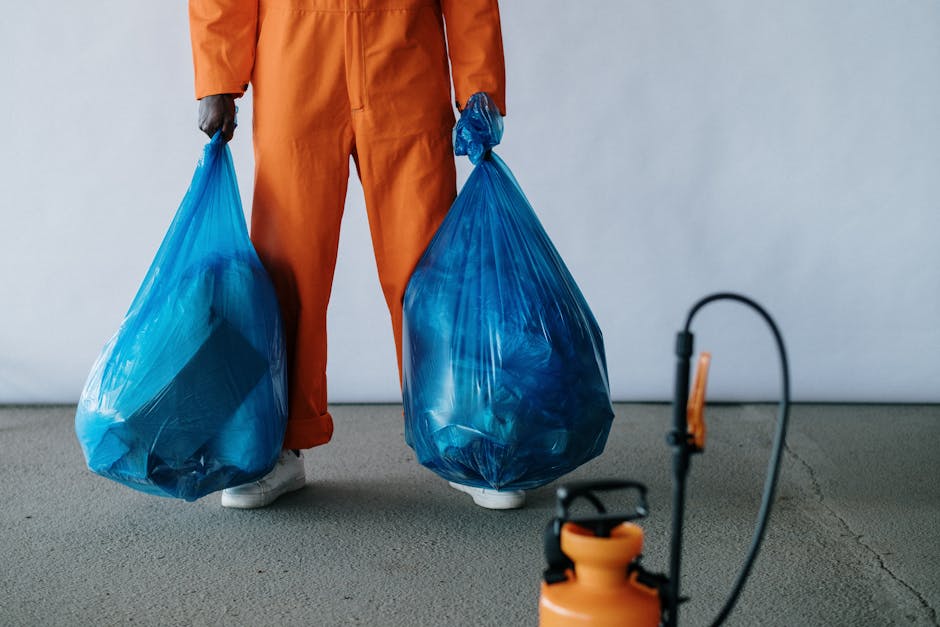
What to know about carpet disposal rules for Maida Vale cleaners

If you are planning a carpet clean, a replacement, or a full property clear-out, the disposal part can catch people out. It sounds simple, right? Lift the old carpet, bag it up, and off it goes. In reality, carpet disposal rules for Maida Vale cleaners often depend on the carpet's condition, the building type, whether adhesives or underlay are involved, and how the waste is sorted for collection or recycling.
This guide explains what to know about carpet disposal rules for Maida Vale cleaners in plain English. You will learn what usually counts as carpet waste, how responsible cleaners handle it, where mistakes happen, and how to plan a job so it stays tidy, compliant, and practical. If you also want to understand how waste-conscious cleaning fits into a broader service approach, take a look at the company's recycling and sustainability approach and the wider carpet cleaning service page for context.
Truth be told, disposal is one of those behind-the-scenes issues that only gets attention when something goes wrong. A rolled carpet in a hallway, a damp backing layer, or a missed lift booking can turn a straightforward visit into a messy little headache. So let's get it sorted properly.
Why What to know about carpet disposal rules for Maida Vale cleaners Matters
Carpet disposal matters for three simple reasons: waste, safety, and reputation. In a place like Maida Vale, where homes, flats, managed buildings, and commercial spaces often have tighter access and shared common areas, poor waste handling can become a visible nuisance very quickly. Nobody wants a stairwell blocked by a musty old carpet for two days. Nobody.
For cleaners, the issue is not just moving waste from A to B. It is about deciding whether the carpet can be reused, recycled, or disposed of, and then handling it in a way that suits the property, the client, and local waste expectations. That includes being careful with dust, odour, dampness, and anything that could contaminate other waste streams. A clean service should leave the space cleaner, not leave a trail of debris or confusion behind.
There is also a commercial side. Clients usually notice when a cleaner communicates clearly about removal, timing, and disposal options. It gives confidence. It says, in effect, we know what we are doing and we will not make this your problem. That reassurance matters more than many businesses realise.
Expert summary: the smartest approach is to treat carpet disposal as part of the job plan, not an afterthought. Decide early what stays, what goes, who removes it, and what happens next. That one decision saves time, avoids disputes, and keeps the site tidy.
How What to know about carpet disposal rules for Maida Vale cleaners Works
In practice, carpet disposal follows a few common steps. The exact route depends on the property and the state of the carpet, but the basic flow is usually familiar.
1) Inspect the carpet first
Before anything is removed, the cleaner or site lead should check the carpet type, size, age, backing, and condition. A wool rug, a fitted synthetic office carpet, and a heavily glued hallway runner are not the same job. A damp carpet after a leak is also a different issue from a dry carpet being replaced during refurbishment.
This first look helps spot problems like odour, mould risk, heavy soiling, or contamination. If the carpet contains materials that need special handling, that should be flagged immediately rather than guessed at later. Let's face it, guessing with waste is rarely a good plan.
2) Separate reusable from disposable material
Not every carpet needs to be treated as waste straight away. Some carpets can be repurposed, donated, or reused in outbuildings, storage areas, or lower-traffic spaces if they are still structurally sound. Others should be removed for disposal because of wear, contamination, or damage.
Underlay, gripper rods, adhesive residue, and padding may need different handling from the carpet itself. A practical cleaner will separate those layers where possible. This makes sorting easier and can support more responsible waste management overall.
3) Decide on removal method
In a flat or narrow townhouse stairwell, the removal method matters almost as much as the disposal destination. Carpets may need to be cut into manageable sections, rolled tightly, wrapped, or tied so they do not shed fibres through the building. In a commercial setting, the team may schedule removal outside working hours to reduce disruption.
Here, good communication really pays off. If a lift is needed, if the corridor must stay clear, or if wet material needs immediate removal, those details should be agreed before the job starts.
4) Sort for recycling, reuse, or general waste
Some carpet materials are better suited to recycling routes than others. Clean, dry, separated material is easier to process than mixed, damp, or adhesive-heavy waste. In reality, many carpet disposal decisions are shaped by how the material has been used and what else is attached to it.
This is where a cleaner's sustainability policy can be useful. For example, the company's recycling and sustainability page reflects the sort of mindset that helps reduce avoidable waste.
5) Arrange collection or handover
Finally, the waste must be moved according to the property's collection arrangements or the cleaner's agreed service terms. Some projects need client-led disposal. Others are handled by the service provider as part of a full removal or clearance package. Either way, the point is clarity. No one likes the classic "I thought you were taking it" conversation. That one is never fun.
Key Benefits and Practical Advantages
There are some very real benefits to handling carpet disposal properly, and most of them are practical rather than glamorous. Which is often how the best systems work, to be fair.
- Cleaner final results: removing old carpet waste properly reduces dust, loose fibres, and unwanted mess left behind after a clean or replacement.
- Better client experience: clear disposal arrangements reduce confusion and make the job feel organised from start to finish.
- Less disruption in shared buildings: tidy handling matters in blocks of flats, conversions, and busy commercial spaces.
- Improved safety: rolled, secured carpet waste is less likely to trip people, block exits, or collect moisture.
- More responsible waste handling: separating useful material from general waste can support recycling or reuse where feasible.
- Fewer last-minute surprises: planning disposal in advance helps avoid missed collections, access issues, and extra labour.
There is also a subtle reputational benefit. A cleaner who thinks through the waste side of a project tends to look more professional overall. That matters whether the job is a small domestic refresh or a larger commercial clear-out. If you want a broader sense of how a provider frames reliability and service standards, the pages on about us, health and safety policy, and insurance and safety are useful trust signals.
Who This Is For and When It Makes Sense
This topic matters to a fairly wide group of people, not just contractors carrying rolls down the stairs.
Homeowners and renters
If you are replacing a worn carpet, dealing with a pet accident, or clearing a room before redecorating, you need to know what can be removed, who is responsible for disposal, and how to keep the building tidy. Renters should also check tenancy terms so there is no confusion about who arranges waste removal.
Landlords and letting agents
For landlords, carpet disposal is often part of a turnover process. You might be clearing a property after a tenancy, sorting out stained flooring, or replacing old underlay. The key is consistency. One flat may only need a small uplift, while another may need full removal and responsible disposal before a new tenant moves in.
Commercial premises and property managers
Offices, clinics, managed buildings, and shared workspaces usually have stricter timing and access rules. A carpet disposal plan should work with those rules, not against them. This is where a service like commercial carpet cleaning becomes especially relevant, because commercial jobs often need a more structured schedule.
Cleaners and refurbishment teams
Professional cleaners need to know disposal boundaries, especially when a job includes deep cleaning, stain removal, steam cleaning, or partial replacement. Not every stained carpet should be thrown out, and not every old carpet is worth saving. Judgement matters. A lot, actually.
When it makes sense to act early
It usually makes sense to plan disposal early if the carpet is damp, heavily damaged, lifting at the edges, contaminated by pet waste, or due to be replaced immediately after cleaning. You may also want to act early if access is awkward, if parking is tight, or if collection timing is limited.
Step-by-Step Guidance
Here is a straightforward way to approach carpet disposal without turning it into a mini project of its own.
- Confirm what needs to go. Decide whether you are disposing of the whole carpet, a section, the underlay, or only damaged material.
- Check the condition. Look for dampness, mould, strong odour, excess dirt, adhesives, or signs of contamination.
- Separate layers if possible. Carpet, underlay, grippers, and any fasteners may need different handling.
- Choose the right removal method. Roll, fold, or cut the carpet into manageable pieces so it can be moved safely.
- Contain the waste. Use wrapping, tying, or bagging where appropriate to reduce shedding and avoid mess in common areas.
- Plan access and timing. Think about lifts, stairwells, loading points, and neighbour disruption.
- Confirm final disposal route. Make sure the material is headed to the agreed collection, recycling, or waste stream.
- Leave the area clear. Vacuum loose fibres, remove tape or fixings, and do a final walk-through before signing off.
For carpet-care jobs that involve major staining rather than replacement, a service discussion about stain removal or steam carpet cleaning may save the carpet from being discarded at all. That is often the better outcome if the material is still in decent shape.
Expert Tips for Better Results
These are the kinds of small decisions that make a big difference in the real world.
- Dry the carpet before removal if possible. A damp carpet is heavier, harder to handle, and more awkward in shared spaces.
- Cut thoughtfully, not randomly. Smaller sections help in stairwells, but too many pieces can create extra mess. Balance matters.
- Keep a cleanup kit handy. A hoover, dustpan, gloves, tape, and rubbish sacks solve plenty of minor problems fast.
- Check door widths and lift sizes first. It sounds obvious, but the wrong assumption can waste half an hour and a fair bit of patience.
- Use the right service for the right material. A rug may suit rug cleaning rather than disposal, while some fitted carpets may be better assessed through carpet cleaning before anyone talks about replacement.
- Be honest about condition. If a carpet smells strongly of moisture or has repeated contamination, the right choice may be disposal, not a cosmetic fix.
- Keep communication simple. One clear message about timing, collection, and access often prevents three separate misunderstandings later.
Small tip, but a good one: if you are removing carpet from a room with soft furnishings nearby, it helps to think about adjacent fabrics too. Heavy dust and loose fibres can settle on curtains or sofas, which is why related services such as curtain cleaning and sofa cleaning sometimes come up during a broader refresh.
Common Mistakes to Avoid
Most disposal problems come from rushing. Here are the big ones.
- Assuming all carpet can be treated the same. Different materials, backings, and fixings can change how removal should be handled.
- Forgetting about underlay. A clean-looking carpet can still hide an old, smelly underlay that needs separate disposal.
- Leaving waste loose in communal areas. That is where complaints start. Fast.
- Ignoring moisture. Damp carpet can smell, leak, or cause broader hygiene issues if left too long.
- Not planning collection timing. A great removal plan can still fail if nobody is ready to take the waste away.
- Mixing carpet with unrelated rubbish. This can complicate sorting and make recycling less likely.
- Skipping the final check. Loose staples, strips of tape, and fibres left behind can make a freshly cleaned room look unfinished.
One more thing: if a carpet is badly worn but still salvageable, do not dispose of it simply because it looks tired. In some cases, better cleaning, targeted stain work, or a change in room use can buy it a second life. Not always, but often enough to be worth checking.
Tools, Resources and Recommendations
You do not need a huge toolkit to manage carpet disposal sensibly. A few basic items go a long way.
| Tool or resource | Why it helps | Typical use |
|---|---|---|
| Utility knife or carpet cutter | Makes sections easier to handle | Cutting fitted carpet into manageable strips |
| Heavy-duty sacks or wrapping | Controls dust and fibres | Containing smaller pieces and offcuts |
| Gloves | Protects hands from sharp fixings and grime | Lifting, rolling, and clearing debris |
| Vacuum cleaner | Clears fibres and dust after removal | Final clean-up before sign-off |
| Measuring tape | Helps plan handling and access | Checking if rolls will fit through doors or lifts |
| Client checklist | Keeps everyone aligned | Confirming removal, collection, and access details |
For service planning, it can also help to review the company's pricing and quotes information so you know how disposal-related work may be discussed. If you are handling a job that also involves delicate fabrics or mixed soft furnishings, services like upholstery cleaning and mattress cleaning may fit into the same visit.
And because trust matters when people are letting trades into their homes or buildings, the policy pages for terms and conditions and payment and security can be useful for understanding the service framework, even if the disposal itself is fairly straightforward.
Law, Compliance, Standards, or Best Practice
Carpet disposal in the UK is usually handled under general waste management expectations, property rules, and local collection arrangements rather than some mysterious carpet-only law. That said, cleaners should still follow sensible best practice: keep waste secure, avoid creating hazards, separate recyclable material where feasible, and make sure disposal routes are lawful and agreed.
For Maida Vale properties, practical compliance often comes down to a few things:
- Respect building rules: many flats and managed premises have time windows, lift restrictions, or access instructions.
- Keep walkways clear: waste should never block exits, fire routes, or shared corridors.
- Handle contaminated material carefully: damp or odorous carpet should be dealt with promptly and responsibly.
- Use honest service terms: if removal is included, say so clearly; if it is excluded, say that clearly too.
- Apply local waste expectations: collection and disposal arrangements should fit the property's normal waste process or the agreed contractor plan.
Best practice also means being careful with records, especially on larger jobs. A simple note of what was removed, when it left, and who arranged it can save a lot of back-and-forth later. Nothing fancy. Just enough to keep things tidy.
Options, Methods, or Comparison Table
Not every carpet has to follow the same route. Here is a simple comparison of the most common options.
| Option | Best for | Pros | Watch-outs |
|---|---|---|---|
| Reuse elsewhere | Carpets still in decent condition | Reduces waste, saves money | Only suitable if the material is clean and sound |
| Professional cleaning first | Stains, dirt, or odour without structural damage | Can extend carpet life | Not every carpet is worth saving |
| Partial disposal | Localised damage or cut sections | Less waste, simpler than full replacement | May leave visible joins or uneven wear |
| Full disposal | Heavy wear, contamination, or refurbishments | Clear outcome, fresh start | Needs good planning and proper handling |
In a typical Maida Vale flat, partial removal may be enough if only one room has suffered damage. In a commercial setting, full replacement is more likely when the flooring is old, patched, or affecting the feel of the space. It really depends on the material and the use case.
Case Study or Real-World Example
Picture a small top-floor flat near a busy London road on a wet Monday morning. The hallway carpet has taken a beating from years of foot traffic, and there is a sour smell near the entrance after a plumbing issue. The client wants the carpet removed before new flooring goes in later in the week.
Instead of trying to drag the whole thing out in one awkward piece, the cleaner measures the route, checks the stairwell width, cuts the carpet into sections, and wraps the waste to limit fibre spread. The underlay is separated, because it has absorbed moisture and is not worth keeping. The waste is cleared the same day, the landing is vacuumed, and the client gets a tidy handover with no lingering mess.
Nothing dramatic. Just a sensible process done properly.
That is the whole point of carpet disposal rules for Maida Vale cleaners, really. It is not about paperwork for the sake of it. It is about making a difficult, slightly grubby job feel organised and respectful to everyone in the building.
Practical Checklist
Use this before any carpet removal or disposal job:
- Confirm whether the carpet is being cleaned, reused, partially removed, or fully disposed of.
- Check for dampness, odour, mould, heavy staining, or contamination.
- Inspect underlay, grippers, and fixings separately.
- Measure access routes, stairs, lifts, and loading points.
- Agree who is responsible for removal and final disposal.
- Plan timing to avoid disruption in shared spaces.
- Prepare gloves, cutter, wrapping, sacks, and vacuum equipment.
- Secure waste so it does not shed fibres or create trip hazards.
- Clear the area fully after removal.
- Document any special issues or client instructions.
If a carpet is still in decent condition, consider whether cleaning is the better first step. A well-chosen clean can sometimes delay disposal altogether, especially for rugs, small domestic rooms, or commercial areas that just need a reset. For those situations, pet stain and odour removal or steam carpet cleaning may be worth exploring before you decide to throw it away.
Conclusion
Carpet disposal is not the flashy part of cleaning, but it is one of the parts people remember most when it goes wrong. In Maida Vale, where access can be tight and buildings often have shared spaces, knowing how to handle removal, sorting, and disposal properly makes a real difference. It protects the property, keeps the job professional, and avoids the messy little surprises nobody needs.
The safest approach is simple: inspect early, separate materials where you can, plan access properly, and be clear about who is doing what. That is the heart of carpet disposal rules for Maida Vale cleaners. Not complicated. Just careful.
And if you are deciding whether a carpet should be cleaned, repaired, or taken away, start with the condition of the material and the practicalities of the building. A calm, informed choice almost always works better than a rushed one.
Get a free quote today and see how much you can save.
When the job is handled thoughtfully, the room feels lighter, cleaner, and ready for whatever comes next. That is a good feeling, honestly.
Frequently Asked Questions
Do carpet disposal rules change depending on the type of carpet?
Yes, they can. Wool carpets, synthetic carpets, glued flooring, rugs, and office tiles may need different handling because of backing, adhesives, weight, and condition. A simple inspection usually tells you more than guesswork ever will.
Can a cleaner take away old carpet as part of the service?
Sometimes, yes, if it is agreed in advance. Some cleaners only clean the carpet, while others may help with removal or advise on disposal. It is best to confirm this before the job starts so there is no confusion later.
What happens to damp or water-damaged carpet?
Damp carpet often needs prompt attention because it can smell, shed moisture, and become unpleasant to handle. Depending on the level of damage, it may be cleaned, dried, or disposed of. If the underlay has soaked through, replacement is often the more sensible route.
Is it better to clean a carpet or throw it away?
That depends on the carpet's age, structure, and level of damage. If the carpet is stained but otherwise sound, cleaning may be worthwhile. If it is heavily worn, mouldy, or repeatedly damaged, disposal may be the better option.
Do underlay and carpet have to be separated?
They should be separated where possible because they can have different disposal routes and different levels of contamination. Even if both end up being removed, separating them makes handling cleaner and easier.
What is the biggest mistake people make with carpet disposal?
The biggest mistake is leaving the decision too late. Once the carpet is already cut out or damaged, it becomes harder to plan access, contain mess, and organise collection. A little planning up front saves a lot of awkwardness.
Are there recycling options for old carpet?
Sometimes there are, especially if the material is clean, dry, and properly separated. Recycling suitability depends on the carpet type and how it has been used. Not every carpet will qualify, but it is worth checking before sending it straight to general waste.
How should carpet waste be handled in shared stairwells or flats?
Keep it secure, move it in manageable sections, and avoid blocking common areas. In shared buildings, the removal route should be planned carefully so neighbours are not left stepping around rolls of carpet and bits of underlay.
Can a bad smell mean the carpet should be disposed of?
Yes, it can. A persistent smell from pet accidents, moisture, or old contamination is often a warning sign. If deep cleaning does not address the issue, disposal may be the better long-term solution.
How do I know if a carpet is worth saving?
Look at the backing, pile, smell, stains, and overall wear. If the carpet is structurally sound and the issue is mostly surface dirt or localised staining, cleaning may help. If the material is brittle, odorous, or badly damaged, it is probably time to let it go.
Should commercial carpet disposal be planned differently from domestic work?
Usually, yes. Commercial premises often involve access windows, health and safety expectations, and tighter scheduling. A clear plan helps reduce disruption and keeps staff, visitors, and cleaners moving safely.
Where can I check service details before booking?
Look at the company's service pages, policy information, and quote guidance so you understand what is included. The most useful starting points are pricing and quotes, terms and conditions, and the service pages relevant to your job.