Sofa Cleaning in Modern Homes: A Practical, Stylish, and Health-Focused Approach
Why Sofa Cleaning Matters More Than Most People Realize
A sofa is often the centerpiece of a living room. It is where families relax after a long day, where guests gather, and where everyday life unfolds. Because of that constant use, sofa cleaning becomes more than a household chore—it is an important part of keeping your home fresh, comfortable, and healthy.
When people think about keeping a home clean, they usually focus on floors, bathrooms, and kitchens. However, upholstered furniture collects dust, body oils, crumbs, pet hair, and allergens over time. Regular sofa cleaning helps protect your indoor environment while also preserving the appearance and lifespan of your furniture.
Many homeowners are surprised by how much dirt can settle into fabric fibers or cushion seams. Even if a sofa looks clean on the surface, hidden particles can affect air quality and contribute to odors. That is why professional sofa cleaning and routine maintenance both play a major role in home care.
Understanding the Different Sofa Materials
Before starting any sofa cleaning process, it is important to identify the material. Different upholstery types require different techniques, and using the wrong method can lead to discoloration, shrinkage, or damage. Fabric sofas, leather sofas, microfiber, velvet, and synthetic blends all respond differently to cleaning products.
Fabric upholstery is popular for its comfort and variety of styles, but it tends to absorb spills and odors more easily. Leather sofas, on the other hand, are easier to wipe down but need conditioning to prevent cracking. Microfiber is durable and usually easy to maintain, while velvet may need extra care to keep its texture intact.
Checking the care label is one of the smartest first steps in sofa cleaning. It often includes cleaning codes such as W, S, WS, or X. These codes tell you whether the material can handle water-based cleaners, solvent-based cleaners, both, or only vacuuming and brushing.
Common Problems Sofa Cleaning Can Solve

Many people think sofa cleaning is only necessary when a visible stain appears. In reality, regular cleaning addresses a wide range of issues that build up gradually. Dust, sweat, food particles, pet dander, and environmental debris all settle into upholstery over time.
One of the most common reasons people schedule sofa cleaning is odor removal. Sofas can trap smells from pets, cooking, smoke, and daily use. Over time, these odors become embedded in the fabric and cushions, making the whole room feel less fresh.
Another major issue is allergen buildup. If someone in the home suffers from allergies or asthma, neglected upholstery can worsen symptoms. Thorough sofa cleaning helps reduce allergens and creates a cleaner, more comfortable living space for everyone.
Frequent Sofa Issues Include
- Visible stains from food and drinks
- Dust and dirt trapped in seams
- Pet hair and dander
- Unpleasant odors
- Flattened cushion fibers
- Allergen accumulation
How Often Should Sofa Cleaning Be Done?

The right schedule for sofa cleaning depends on how heavily the furniture is used. For a typical household, vacuuming once a week and deep cleaning every six to twelve months is a reasonable approach. Homes with children, pets, or frequent visitors may need more frequent attention.
If the sofa is used daily, routine maintenance becomes even more important. Small crumbs, dust, and spills can quickly become embedded. In these cases, sofa cleaning should be part of a regular cleaning routine instead of something done only when the furniture looks visibly dirty.
Homes with pets may benefit from monthly spot cleaning and seasonal deep cleaning. Leather sofas may require conditioning every few months, while fabric sofas may need shampooing or steam treatment depending on the care code and level of wear.
Simple Frequency Recommendations
- Weekly: Vacuum surfaces, seams, and cushions
- Monthly: Spot-clean small marks and freshen odors
- Every 6–12 months: Perform deep sofa cleaning
- As needed: Treat spills immediately to prevent permanent stains
DIY Sofa Cleaning vs. Professional Sofa Cleaning
There are two main ways to approach sofa cleaning: do-it-yourself methods and professional services. Each option has benefits, and the best choice depends on the type of sofa, the extent of the dirt, and the results you want.
DIY cleaning can be effective for minor stains, light refreshes, and routine maintenance. Many homeowners use a vacuum, upholstery brush, mild detergent, or fabric-safe cleaner to manage everyday dirt. This can be cost-effective and convenient, especially if the sofa is not heavily soiled.
Professional sofa cleaning, however, often delivers deeper results. Trained technicians use specialized equipment, fabric-safe solutions, and extraction methods designed to remove embedded dirt and allergens more effectively. Professional care is especially useful for delicate materials, stubborn stains, or sofas that need a thorough refresh.
DIY Cleaning Works Best For
- Light dust and surface dirt
- Small, fresh spills
- Routine maintenance between deep cleans
- Durable fabrics with clear cleaning codes
Professional Cleaning Is Ideal For
- Deep-set stains
- Persistent odors
- Delicate upholstery
- Homes with pets or allergy concerns
- Large or heavily used sofas
Step-by-Step Sofa Cleaning Process
A successful sofa cleaning routine starts with preparation. Remove loose cushions if possible, vacuum thoroughly, and inspect the upholstery for stains, wear, or hidden debris. This makes it easier to target trouble spots and avoid spreading dirt around.
Next, test any cleaner on a small hidden area. This step is crucial because even a product labeled as fabric-safe can react differently depending on the upholstery material and dye. Once the test area is dry, you can continue with confidence.
Use a soft brush or microfiber cloth to apply the cleaner gently. Avoid soaking the fabric, as excess moisture can lead to water marks or mildew. For deeper sofa cleaning, a steam cleaner or extraction machine may be used if the manufacturer recommends it.
Recommended Cleaning Steps
- Vacuum the entire sofa
- Brush away dust and pet hair
- Check the cleaning label
- Spot-test the cleaner
- Clean stains with gentle motions
- Allow full drying before use
Patience is important during sofa cleaning. Rushing the process or using too much product can create additional problems. A careful method helps maintain the appearance and texture of the upholstery.
Best Practices for Stain Removal
Spills happen in every home, but quick action can make a major difference. In sofa cleaning, the first rule of stain removal is to blot rather than rub. Rubbing can push the stain deeper into the fibers and may damage the fabric.
For liquid stains, use a clean cloth to absorb as much moisture as possible. Then apply a small amount of appropriate cleaner based on the upholstery type. For greasy stains, a dry-cleaning solvent or upholstery-safe degreaser may be more effective than water.
Food stains, ink marks, and pet accidents may require different techniques. A combination of gentle blotting, the right solution, and proper drying often gives the best results. If the stain persists, professional sofa cleaning services may be the safest option to avoid permanent damage.
Helpful Stain Removal Tips
- Act quickly before the stain sets
- Use minimal moisture
- Blot with a clean white cloth
- Follow the cleaning code on the label
- Avoid harsh scrubbing
Maintaining Leather Sofas
Leather furniture has a different set of needs compared with fabric upholstery. While leather sofa cleaning is usually simpler on the surface, it still requires consistent care to remain supple and attractive. Dust and body oils can build up, and over time the material may dry out or crack.
Routine leather sofa cleaning usually begins with dry dusting and gentle wiping using a soft cloth. A cleaner specifically designed for leather should be used sparingly, followed by conditioning to keep the material flexible. This helps preserve the finish and prevents premature aging.
It is also wise to keep leather sofas away from direct sunlight and heat sources. Excessive exposure can fade the color and dry out the surface. With the right maintenance, leather furniture can remain elegant and durable for many years.
Leather Care Essentials
- Dust weekly
- Wipe spills immediately
- Use leather-safe products only
- Condition periodically
- Avoid harsh chemicals
How Sofa Cleaning Supports a Healthier Home
Clean upholstery is not just about appearance. Regular sofa cleaning can also support a healthier household by reducing allergens, bacteria, and buildup that settle into cushions and fibers. This is especially important in homes with children, older adults, or people with respiratory sensitivities.
Dust mites are one of the biggest hidden concerns in upholstered furniture. These microscopic pests thrive in soft furnishings and can aggravate allergy symptoms. Deep sofa cleaning helps remove the environment they depend on, making your home feel fresher and more hygienic.
In addition, clean sofas contribute to better overall indoor air quality. When dirt and odors are removed, the room feels more inviting and comfortable. A well-maintained sofa supports both physical wellness and everyday comfort.
Choosing the Right Products for Sofa Cleaning
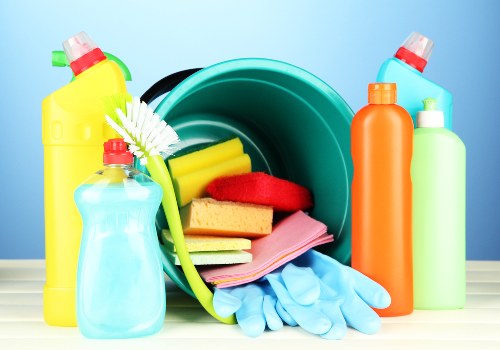
Not every cleaning product is suitable for upholstery. Choosing the right items is essential for effective sofa cleaning without causing damage. Mild detergents, upholstery cleaners, microfiber cloths, a vacuum with a brush attachment, and a soft-bristle brush are common essentials.
Avoid bleach, strong solvents, and overly abrasive products unless the manufacturer specifically approves them. These substances can fade colors, weaken fibers, or leave residue behind. For safer results, use products designed specifically for upholstery or the relevant material type.
If you prefer a more natural approach, some homeowners use diluted vinegar solutions or baking soda for odor control. These can be helpful in limited situations, but they should still be tested carefully before broader use. Sofa cleaning is most effective when matched to the fabric, not just the stain.
Tools That Help
- Vacuum cleaner with upholstery attachment
- Soft brush
- Microfiber cloths
- Fabric-safe cleaning solution
- Spray bottle
- Dry towels for blotting
Seasonal Sofa Cleaning Tips
Different seasons can bring different cleaning challenges. In rainy months, moisture and mud may be tracked indoors more often. In summer, sweat and humidity can make upholstery feel less fresh. Winter may bring more indoor use, which increases the buildup of dust and allergens.
Seasonal sofa cleaning helps you stay ahead of these changes. A spring refresh can remove winter dust, while an autumn deep clean prepares your living room for holiday visitors and more time spent indoors. These seasonal routines make ongoing maintenance easier and more manageable.
If your home experiences frequent changes in weather or activity, adjusting your cleaning schedule is a practical move. The more consistently you care for the sofa, the easier it is to keep it looking and smelling great all year long.
Signs Your Sofa Needs Immediate Attention
Even with a regular schedule, there are times when sofa cleaning should happen sooner rather than later. Obvious stains are one sign, but there are other clues that your upholstery needs care. If the sofa gives off a stale odor, feels sticky, or looks dull despite surface vacuuming, it is likely time for deeper cleaning.
Another sign is increased allergy symptoms when sitting on or around the furniture. This can indicate dust and allergen buildup in the fabric. In homes with pets, you may also notice lingering hair or a faint smell that does not go away with surface cleaning alone.
Paying attention to these signs helps prevent long-term damage and keeps the sofa pleasant to use. Early action is almost always easier and more affordable than trying to correct severe buildup later.
Protecting Your Sofa After Cleaning
Once sofa cleaning is complete, a few simple habits can help preserve the results. Use washable throws, keep drinks on stable surfaces, and avoid eating messy foods directly on the sofa whenever possible. These small changes can significantly reduce future stains and dirt accumulation.
Regular vacuuming remains one of the easiest ways to extend the clean feeling. A quick weekly pass removes dust before it settles deeper into the fibers. For added protection, some homeowners use fabric protectors approved for their upholstery type to help repel spills.
Positioning furniture wisely also matters. Keeping the sofa away from direct sunlight, high humidity, and heavy traffic areas can reduce wear. When combined with thoughtful maintenance, these habits make sofa cleaning more effective over time.
Smart Post-Cleaning Habits
- Vacuum weekly
- Use throws or covers in high-use homes
- Clean spills immediately
- Keep pets groomed
- Rotate cushions when possible
Why Professional Sofa Cleaning Is Worth Considering
For many households, professional sofa cleaning offers convenience, better results, and peace of mind. Experts bring specialized equipment and knowledge that can remove deeper dirt than basic home cleaning methods. This is especially valuable for expensive furniture or delicate materials.
Professional services also save time. Instead of trying multiple products and methods, you can rely on a process tailored to your sofa type and condition. That makes the experience less stressful, particularly if you are dealing with old stains, odors, or furniture that has not been cleaned in a long time.
In many cases, investing in professional sofa cleaning helps extend the life of your furniture, which can save money in the long run. A cleaner, healthier sofa also contributes to a more inviting home environment, which is an added benefit for everyday living.
Final Thoughts on Sofa Cleaning
Taking care of your sofa is one of the simplest ways to improve both the look and feel of your home. Regular sofa cleaning protects your investment, supports better hygiene, and keeps your living room comfortable for family and guests alike. Whether you choose DIY maintenance or professional care, consistency is the key.
By understanding your upholstery type, addressing spills quickly, and following a regular cleaning routine, you can keep your sofa looking its best for years. Clean furniture does more than look good—it creates a more pleasant environment to relax, socialize, and enjoy everyday life.
If your sofa is overdue for attention, now is the perfect time to act. Book your service now and enjoy the benefits of a fresher, cleaner home. Contact us today to take the next step toward a spotless, healthier living space.