Insurance and Safety
 Safety and insurance are central to delivering dependable services, protecting people, and maintaining confidence in every project. A strong insurance and safety framework helps reduce disruption, support compliance, and create a secure environment for clients, staff, and the public. By combining public liability insurance, thorough staff training, appropriate PPE, and a structured risk assessment process, we build a culture where safety is not an afterthought but a core part of every task.
Our approach to insurance and safety management is designed to anticipate hazards before work begins and to ensure that protections are in place throughout each stage of service delivery. We understand that even well-planned operations can involve unexpected incidents, which is why insurance cover and practical safety measures work together. This commitment supports responsible working practices and helps safeguard all parties involved.
 One of the most important safeguards is public liability insurance. This cover is intended to protect against claims arising from accidental injury or property damage connected to our work activities. Whether a situation involves a slip, impact damage, or an unforeseen incident in a shared space, public liability insurance provides a vital layer of reassurance. It is an essential part of our safety and insurance policy, ensuring that potential risks are addressed with professionalism and care.
Alongside insurance cover, staff training plays a decisive role in preventing accidents and maintaining high standards. All team members receive instruction relevant to their duties, including safe working methods, hazard awareness, manual handling, emergency procedures, and correct use of equipment. Ongoing refresher sessions help keep knowledge current, while supervisors reinforce safe practices on site. This means our insurance and safety procedures are supported by people who understand how to work cautiously and confidently.
 Training is not treated as a one-time requirement. Instead, it is part of a continuous improvement process that develops competence over time. New team members are introduced to company expectations, site rules, and incident reporting procedures before starting work. More experienced staff receive updates when regulations, equipment, or operational methods change. By investing in capability, we strengthen our overall insurance and safety standards and reduce the likelihood of preventable incidents.
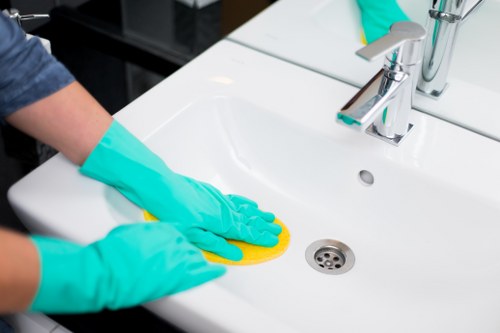
PPE, or personal protective equipment, is another key element of our safety strategy. Depending on the task, this may include hard hats, gloves, high-visibility clothing, protective footwear, eye protection, or hearing protection. PPE is selected to suit the specific hazards of the job, and team members are trained to wear it correctly and maintain it properly. While PPE is the final layer of control rather than the first, it remains an essential safeguard within our insurance and safety framework.
The risk assessment process underpins everything we do. Before work starts, hazards are identified, the level of risk is evaluated, and suitable control measures are put in place. This may involve isolating areas, changing work methods, selecting suitable equipment, or assigning additional supervision. Risk assessments are reviewed whenever conditions change, ensuring that the plan remains effective and proportionate. By taking a systematic approach, our insurance and safety measures become practical, measurable, and responsive.
 In practice, our risk assessment process is straightforward but thorough. We begin by observing the environment and considering who may be affected, including staff, visitors, contractors, and the public. Next, we determine what could go wrong and how likely that outcome may be. After that, we apply controls in order of priority, aiming to eliminate danger where possible and reduce residual risk where elimination is not feasible. This method helps support safer operations and aligns with responsible insurance and safety management.
We also place importance on communication and record-keeping. Clear instructions, site briefings, and incident logs help ensure that safety expectations are understood and that lessons can be learned from near misses or changes in conditions. These records also support accountability and demonstrate that our public liability insurance, staff training, PPE requirements, and risk assessments are all part of a coordinated system rather than isolated actions. The result is a more resilient and dependable service.
 Ultimately, our commitment to insurance and safety is about protecting people and maintaining trust through consistent, well-managed practice. Public liability insurance provides financial protection, staff training builds competence, PPE offers direct physical protection, and the risk assessment process ensures hazards are identified and controlled before they cause harm. Together, these measures create a safer working environment and support the highest standards of professional responsibility.